🏁 Race Weekend Format
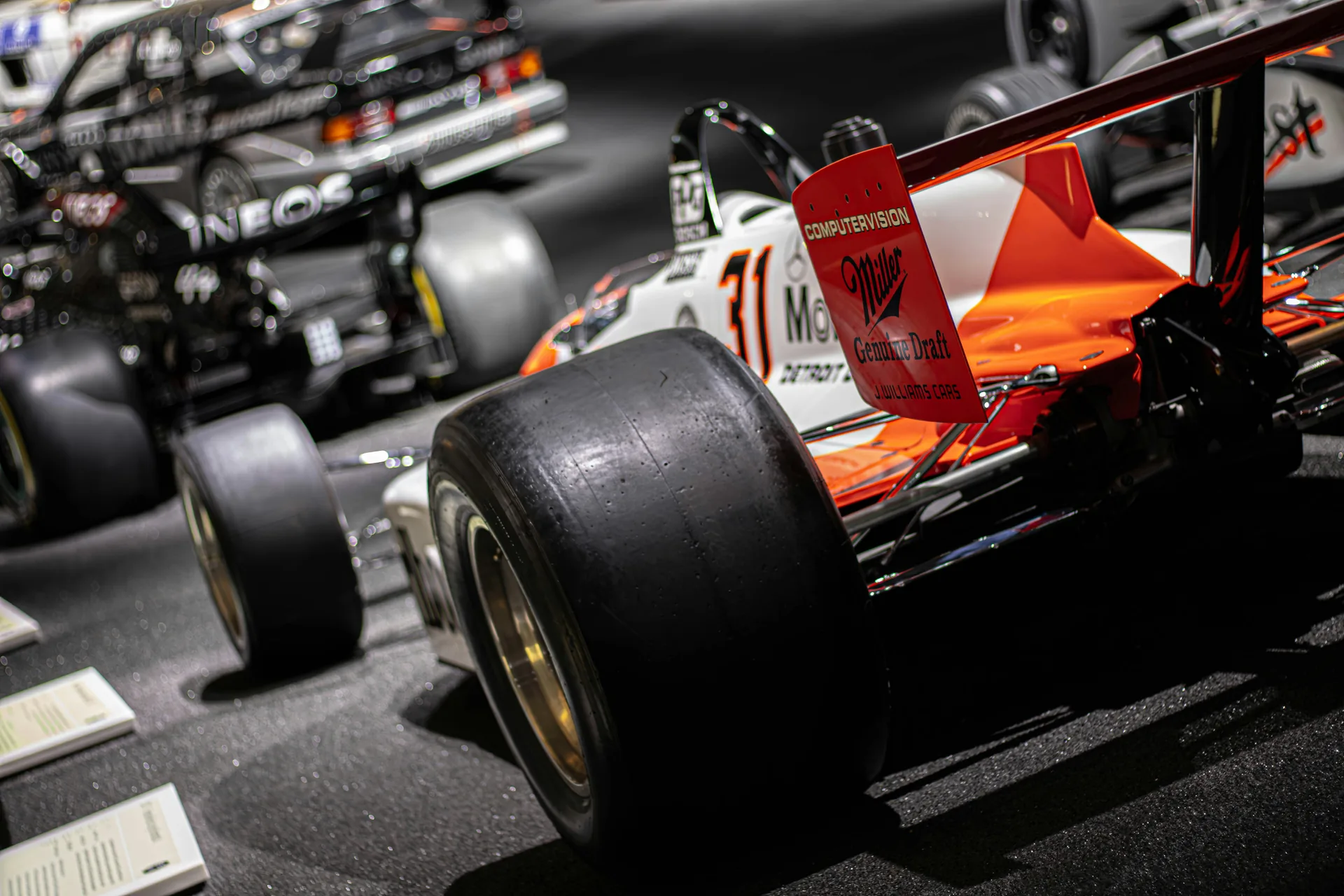
An F1 weekend is a meticulously planned operation.
It kicks off with practice, a series of sessions focused on understanding the car's behavior and the tyre's performance over long runs. The atmosphere shifts for qualifying, a high-intensity fight against the clock that sets the hierarchy for Sunday. The grand prix is the main event, a complex blend of physical and mental endurance, where strategic calls from the pit wall can be as decisive as an overtake.
The weekend objective — Refine. Rank. Race.
⚙️ Qualifying Structure (Q1–Q3)
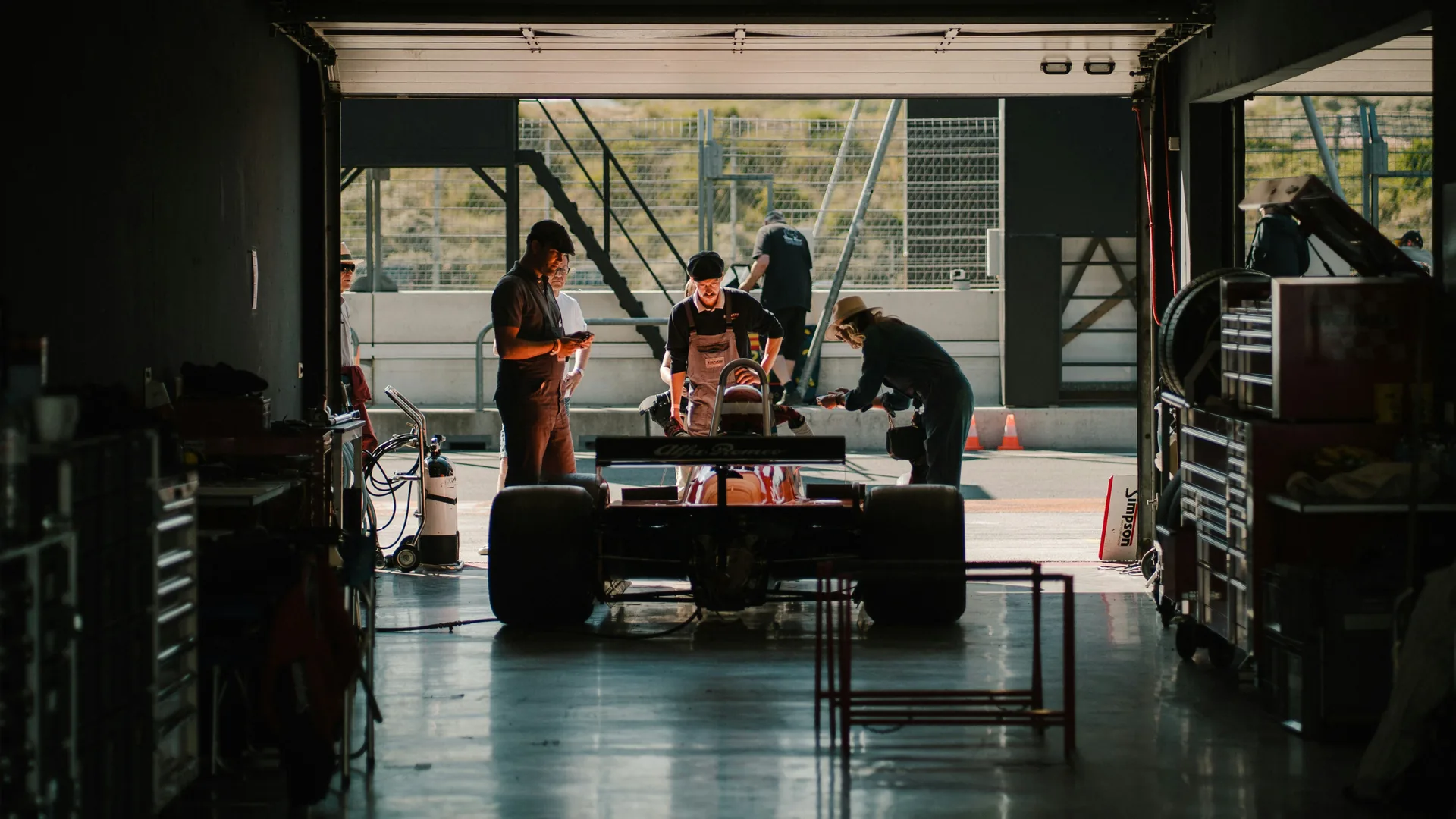
Qualifying is a progressive funnel, concentrating the competition.
Q1: All drivers have multiple attempts to set a time; the slowest five are cut. Q2: The remaining fifteen battle not just for speed, but for a favourable race-start strategy; five more are eliminated. Q3: The final ten, with the best of everything, compete for the prestige and advantage of Pole Position.
From twenty contenders to one pole-sitter.
🏎️ Points & Championships
The true battle is for the points that define a season.
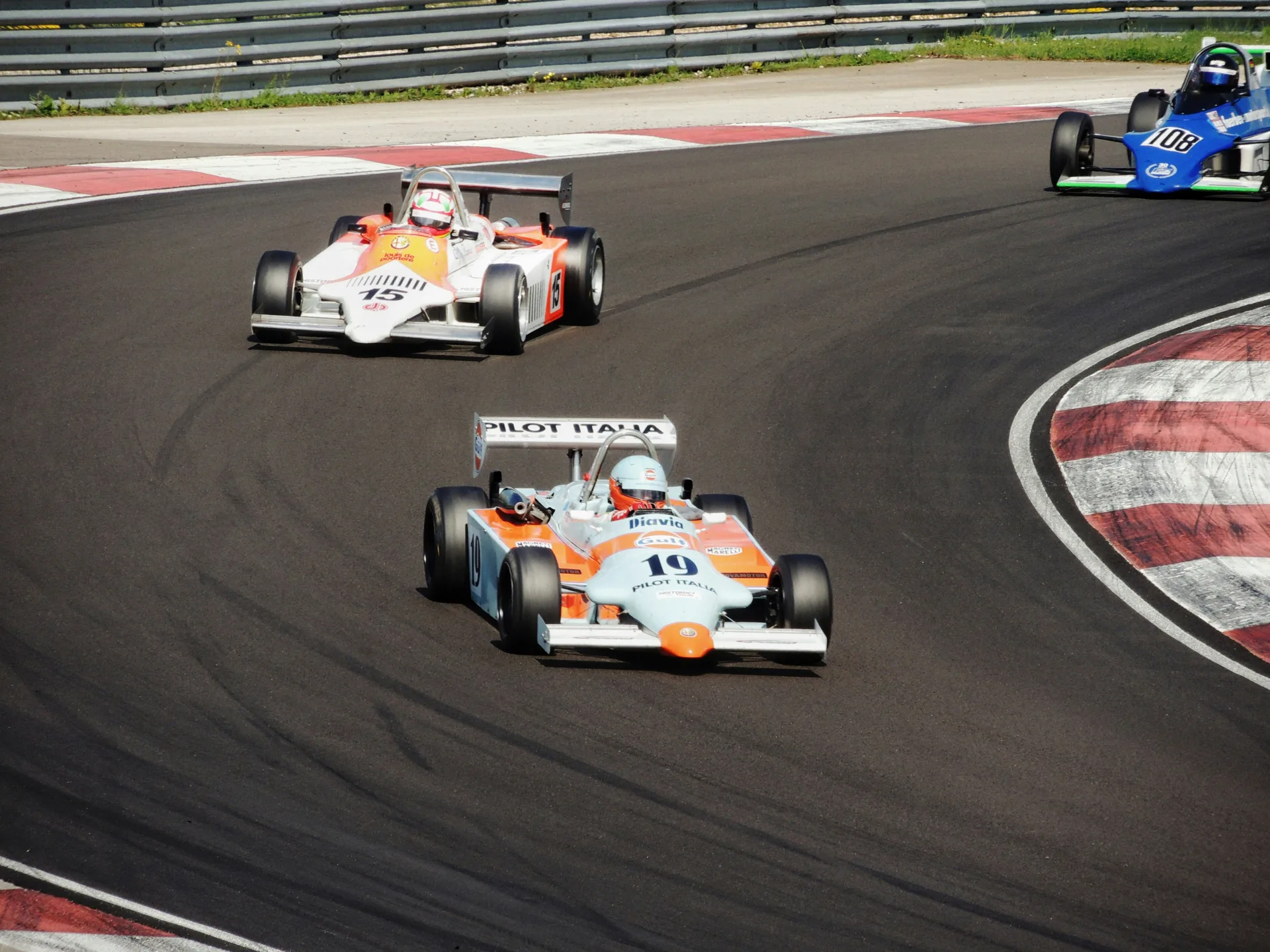
Championship points are allocated to the top ten finishers, creating battles all the way down the order. The additional point for the Fastest Lap adds a late-race incentive for drivers running in the points, keeping the action alive until the final lap. These points accumulate towards the two world championships: one for the driver, and one for the constructor, representing a season of collective achievement.
🚦 Pit Stops & Race Safety
The pit wall is the strategic command center of every race.
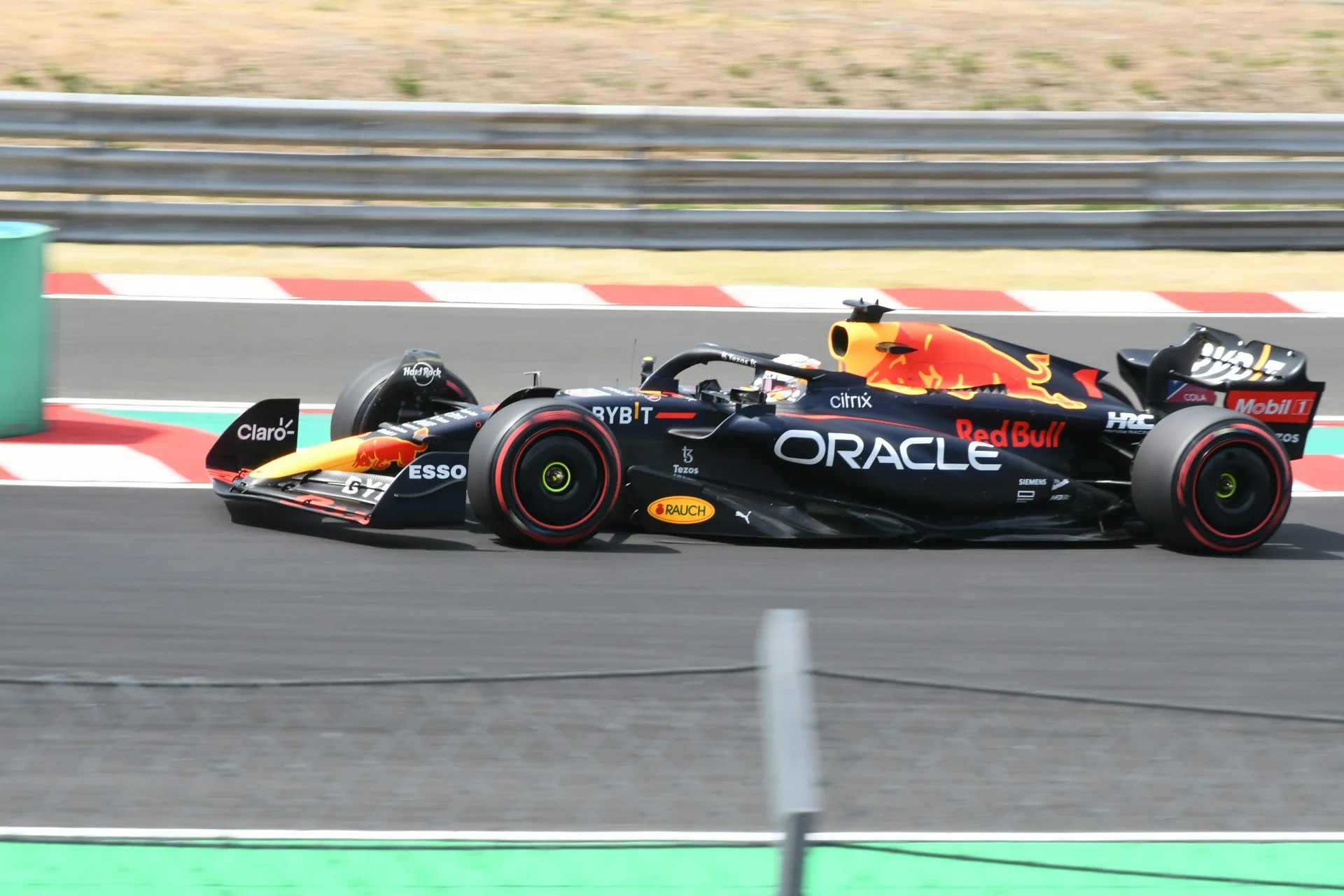
The requirement to use two different tyre compounds means teams cannot run the entire race without a stop, making strategy a critical differentiator. A perfectly timed pit stop under a Virtual Safety Car, for example, can gift a driver a free position. The Safety Car and VSC are essential tools for managing on-track incidents, but they are also wildcards that can reward the savvy and punish the unlucky, turning the predicted race order on its head.